
Design meets sound in Dk88 Casino immersive UX
 thenetworkword
When Design Meets Sound
Most online casinos focus on bright visuals and bonuses, but few treat sound as an equal partner in the user experience. I came across something that feels almost cinematic in its depth, the way a casino meets a symphony, and that’s what makes DK88 Casino quite an intriguing story in the gambling world. It’s not just a collection of flashy slots or sleek buttons—it’s a place where every click seems composed rather than coded.
When I first tested it, I noticed subtle layers behind the interface, like the faint resonance of electronic tones harmonizing with the pace of play. It may sound like overstatement, but there’s intention in how they’ve used audio cues to create momentum. You don’t just spin a slot; you participate in a rhythm. And that’s where design meets sound most literally.
Interface and Atmosphere
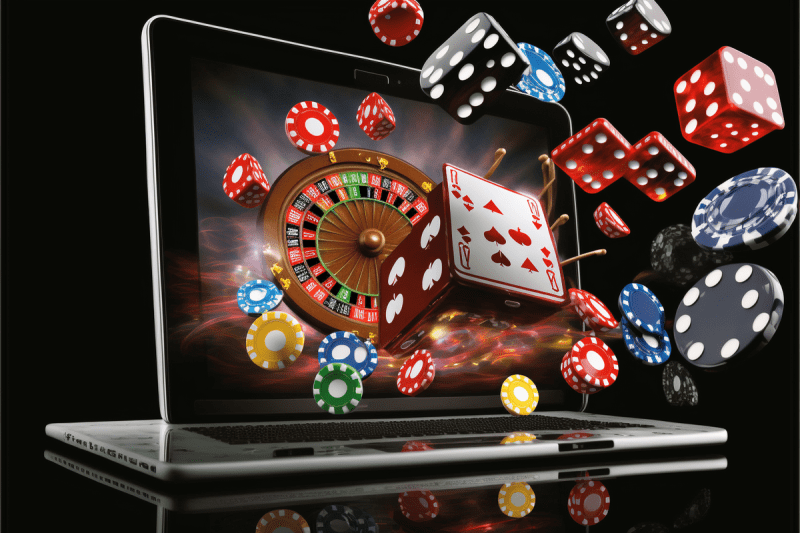
The interface, crisp and fluid, seems designed to merge visual hierarchy with acoustic flow. That’s a difficult balance. Too much sound can be tiring, and too little feels lifeless. Somewhere between, DK88 finds its footing. The slot reels, for instance, don’t blare—they whisper motion. The chips clink softly, a distant crowd rises when you win, nothing ever feels forced. This approach boosts immersion while preserving clarity.
There’s also the matter of usability. I often find that casino platforms with ambitious visuals forget accessibility. But DK88 incorporates small design gestures, like the alignment of touch buttons, reaction sound timing, and smooth transitions after wins or losses. All of this contributes to a consistent, believable mood that draws you back again.
- The sound layers adapt to gameplay speed and wager level.
- Buttons and animations are synchronized for smoother perception.
- The background soundtrack gently changes based on your activity, not looping aimlessly.
And maybe it’s a small thing, but hearing a responsive sound at a right volume after a bonus spin almost feels like acknowledgment, a quiet “yes, you’re still in control.” I think designers sometimes underestimate how far that goes.
Player Engagement and Emotion

I paid attention to how sound influenced my focus. At first, I thought it was just background entertainment. Yet, over time, I began noticing how it changed the rhythm of my decisions. The low hum during anticipation rounds steadied my mood, while rising tones before multiplier rounds raised expectancy. All crafted moments, true. But isn’t that what immersive design does best, creating tailored emotion?
The visual layout stays minimal enough for the sound to breathe. The palette of deep blues and soft golds complements the sound design perfectly. It makes you feel part of a single experience, not a puzzle of separated effects. It’s quite likely that developers actually tested human reactions in a real setting, tuning frequencies and transitions until they felt just right— not loud, not empty, but warm and confident.
- Emotion-driven sound is present in bonus entries and jackpots.
- Loading screens fade in with ambient layers, not harsh clips.
- Music adapts gently when navigating between sections, avoiding silence gaps.
There’s something clever in using sound as a feedback system rather than decoration. Every acoustic cue says something—reward, caution, or simply rhythm. That’s design literacy in sound form.
Innovation Through Audio Design
It’s not only the aesthetic layer, though. Sound integration affects the entire UX path, from registration to payout. The login screen emits a distinct chime—soft, confident, almost welcoming. The cashier section is quieter, as if inviting responsible play. Even navigation transitions between slots, sportsbook, and live casino sections remain faithful to that acoustic identity.
True innovation rarely looks loud. It feels seamless, almost invisible until you realize how natural it feels to play there. When something starts to feel invisible, it usually means the design succeeded. DK88’s development team, or whoever directed their sound palette, must have understood the psychology of rhythm, how people unconsciously sync to tempo. It’s subtle but powerful. The platform guides your pace, helping you enjoy each spin with meandering calm rather than stress.
I noticed, at times, a contradiction between the casual mood of jazz-tinged background tracks and the dry precision of the casino interface. That conflict made the experience unpredictable, almost human. Perfect balance would’ve been too clean. And that’s what’s striking: the designers allow imperfection to make the environment believable.
Visual beauty catches the eye, but audio atmosphere holds attention longer. You might play a slot, step away for a drink, yet keep the music running because it’s pleasant. Not many online casinos can claim that.
Conclusion
“Design meets sound” is more than a slogan here. It’s a guiding principle that defines DK88’s approach to user experience. By choreographing visuals and sounds instead of stacking them, the platform achieves a rare harmony that feels immersive without ever shouting for attention. Each sound has a purpose, each visual transition a rhythm, and together they form an experience that quietly pulls players in.
Whether you play for thrills or casual distraction, the platform feels thoughtfully built around how people actually react, not how they’re supposed to. It’s not about loud dazzle but the interplay of subtle moments that make you feel connected. That’s when design truly meets sound, and sound becomes part of the game’s soul rather than the background. If more casinos followed that path, online play might become not only more engaging but also more emotionally grounded—an evolution long overdue in digital gaming.